Checking Out the Advantages of Far UVC Light: Changing Indoor Air High Quality
Indoor air high quality has constantly been a worry, however the current worldwide health situation has actually brought it into sharper focus. As we browse the obstacles of a post-pandemic world, finding innovative options to enhance air top quality has come to be paramount. One such remedy that has acquired focus is Far UVC light. This advanced innovation has the prospective to change interior air high quality by efficiently reducing the effects of air-borne microorganisms without posturing injury to people. Yet exactly how specifically does Far UVC light job? What are its health and wellness benefits? And exactly how can it add to reducing irritants in our space? In this conversation, we will certainly explore the remarkable world of Much UVC light and discover its possibility in changing the means we safeguard our indoor environments.
Just How Much UVC Light Works
Much UVC easy work by releasing short-wavelength ultraviolet light that has the ability to pass through and inactivate bacteria. Unlike traditional UV light, which can be dangerous to human skin and eyes, far UVC light has a shorter wavelength that is soaked up by the external layers of human skin, preventing it from reaching the underlying living cells. This makes it a risk-free and reliable option for constant sanitation in busy areas.
When far UVC light is released, it communicates with the DNA and RNA of microorganisms, consisting of bacteria and viruses, interrupting their capacity to reproduce and creating them to become non-active. The high power of the short-wavelength light problems the molecular framework of the hereditary material, protecting against the bacteria from spreading and replicating.
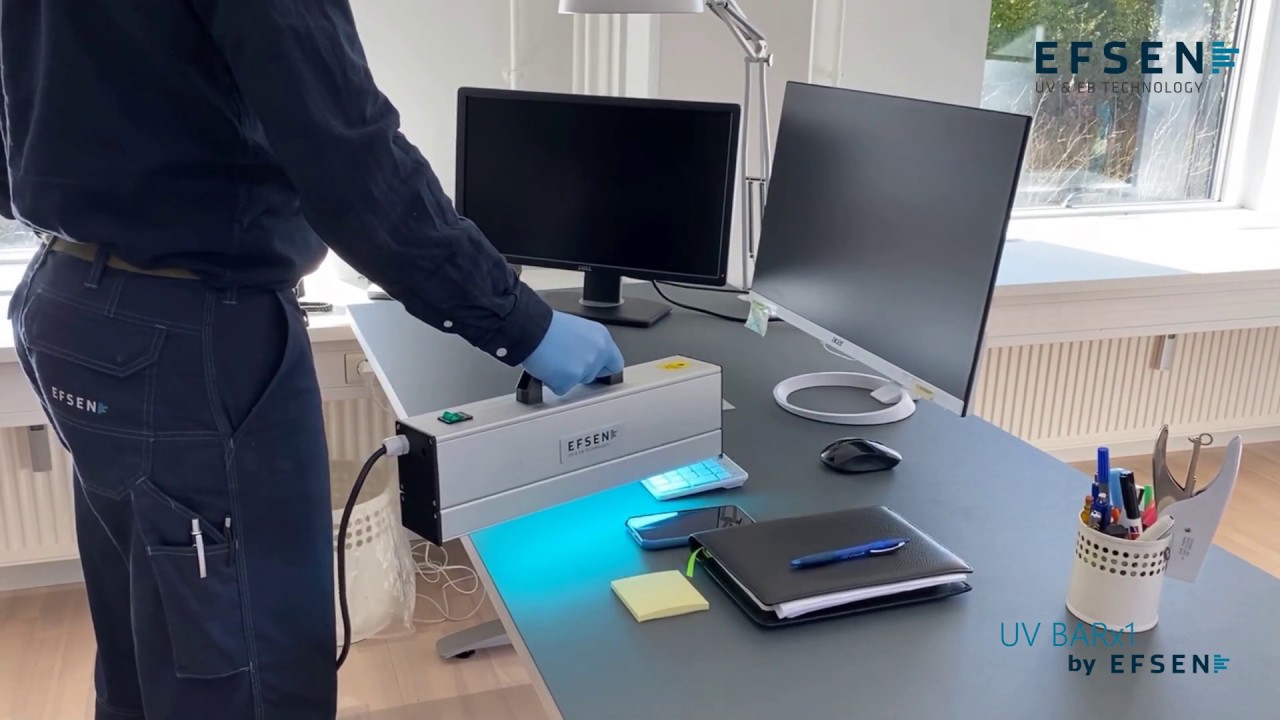
In addition, much UVC light can be quickly incorporated into existing lights components, making it an economical service for a vast array of applications, including healthcare centers, schools, workplaces, and mass transit. Its capability to constantly decontaminate occupied spaces without posturing a risk to human health and wellness makes much UVC light an encouraging innovation in the field of indoor air high quality administration.
Far UVC Light's Influence on Airborne Pathogens
The influence of far UVC light on airborne microorganisms is substantial in lowering the transmission of infectious conditions and enhancing interior air quality. Much UVC light refers to a certain variety of ultraviolet light that has a wavelength between 207 and 222 nanometers. Unlike standard UVC light, which is dangerous to human skin and eyes, far UVC light has been found to be secure for human beings while still being efficient versus virus.
Researches have revealed that far UVC light has the capability to suspend a variety of air-borne viruses, consisting of the flu infection and the coronavirus (far-uvc). These pathogens are transmitted via breathing droplets, and by using much UVC light, it is feasible to lower their feasibility and avoid their spread
Among the key advantages of making use of much UVC light is its capacity to reach all areas of an area. Unlike other disinfection methods that may have restricted reach, much UVC light can be set up in above lighting fixtures, making certain that the entire area is dealt with. This makes it specifically efficient in crowded locations such as healthcare facilities, colleges, and public transport.
Moreover, far UVC light can be used constantly without posing a danger to human wellness. It can be carried out as part of a detailed method to boost interior air high quality by lowering the concentration of air-borne virus. By integrating far UVC light right into existing ventilation systems, it is feasible to produce safer and healthier indoor atmospheres.
Wellness Conveniences of Far UVC Light
Making use of far UVC light provides various health benefits, making it a valuable device in promoting public wellness and security. Much UVC light has actually been discovered to efficiently kill air-borne virus, such as germs and viruses, without hurting human skin or eyes. This makes it an ideal option for disinfecting interior environments and lowering the risk of infections.
Among the vital health and wellness benefits of much UVC light is its capability to battle the spread of airborne conditions. Researches have shown that much UVC light can effectively inactivate infections like influenza and consumption. By setting up far UVC lighting fixtures in public areas, such as healthcare facilities, colleges, and workplaces, the transmission of these diseases can be dramatically reduced.
In addition, much UVC light has actually been discovered to be safe for continuous direct exposure, as it does not trigger skin damages or enhance the threat of skin cancer. This is because of the fact that much UVC light has a limited variety of penetration in human skin, stopping any harm to deeper layers.
Along with its straight impact on airborne virus, much UVC light can also have indirect health benefits. By minimizing the visibility of harmful microbes in the air, it can enhance indoor air quality, causing a decline in respiratory system signs and symptoms and allergies.
Far UVC Light's Role in Reducing Allergens
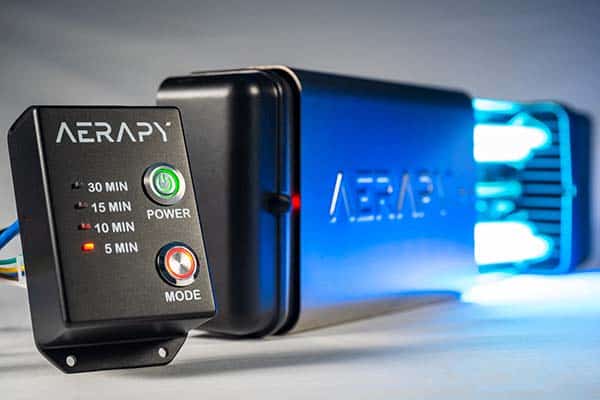
Much UVC light, with its wavelength in the range of 207 to 222 nanometers, has actually been confirmed to be efficient in suspending viruses, microorganisms, and fungi. Current research studies have Check This Out actually also revealed that it can properly minimize the presence of irritants in interior rooms. When much UVC light is sent out, it engages with the DNA and RNA of microbes, damaging their genetic material and avoiding their duplication.
Much UVC Light's Possible in Public Spaces
With its proven performance in decreasing irritants and use this link suspending microorganisms, far UVC light holds fantastic possible for application in public spaces. Public spaces, such as hospitals, offices, flight terminals, and colleges, are commonly crowded and susceptible to the spread of air-borne diseases. Incorporating much UVC light innovation in these locations can substantially enhance interior air top quality and decrease the transmission of damaging microorganisms.
One promising application of far UVC light in public areas remains in ventilation systems - far-uvc. By mounting far UVC lamps in cooling and heating systems, the technology can decontaminate the air as it circulates, effectively minimizing the concentration of air-borne infections and germs. This method can aid avoid the spread of diseases such as covid-19, flu, and tuberculosis, advertising a healthier and much safer setting for owners
In addition, far UVC light can be used in the disinfection of frequently touched surface areas. High-touch areas in public spaces, such as doorknobs, hand rails, and lift buttons, can harbor a wide variety of virus. By strategically placing much UVC source of lights in these locations, the technology can continuously decontaminate surface areas, reducing the risk of contamination and transmission.

Additionally, making use of much go right here UVC light in public rooms is safe for human exposure. Unlike conventional UVC light, which can be damaging to human skin and eyes, much UVC light has actually been verified to be secure and safe for continual procedure in busy rooms. This makes it an ideal solution for enhancing indoor air quality without posing any health risks to individuals.
Conclusion

Much UVC light works by producing short-wavelength ultraviolet light that has the capacity to penetrate and suspend microorganisms. Unlike standard UV light, which can be hazardous to human skin and eyes, much UVC light has a much shorter wavelength that is absorbed by the external layers of human skin, preventing it from reaching the underlying living cells. Much UVC light refers to a specific variety of ultraviolet light that has a wavelength in between 207 and 222 nanometers. Unlike conventional UVC light, which is dangerous to human skin and eyes, far UVC light has been discovered to be secure for humans while still being efficient versus pathogens.
Unlike traditional UVC light, which can be unsafe to human skin and eyes, far UVC light has been confirmed to be risk-free and safe for continuous operation in occupied spaces.