Harnessing the Possible of UV Disinfection: Safeguarding Wellness and Hygiene
As the globe grapples with the recurring pandemic and the continuous threat of contagious conditions, the relevance of maintaining health and hygiene has never ever been a lot more evident. In this context, using the capacity of UV disinfection becomes a promising service. UV sanitation, a modern technology widely utilized in numerous markets, has actually confirmed efficient in getting rid of harmful microorganisms. There is much even more to discover behind the science of UV sanitation and its applications. From recognizing the mechanisms at play to implementing this technology in our day-to-days live, this conversation aims to clarify the potential of UV disinfection and its role in safeguarding our health and wellness and hygiene.
Understanding UV Disinfection
UV sanitation is a highly effective and commonly utilized technique for getting rid of unsafe pathogens and ensuring health and hygiene. This strategy makes use of ultraviolet (UV) light to inactivate microorganisms by damaging their DNA and avoiding them from duplicating. UV sanitation is especially reliable against bacteria, viruses, and various other microorganisms that can cause infections and conditions.
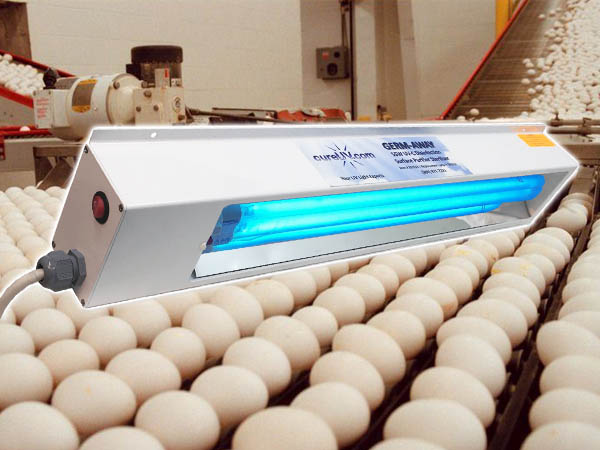
The principle behind UV sanitation is straightforward yet effective. UV disinfection can be used in different settings, consisting of water therapy plants, medical care facilities, food processing industries, and air purification systems.
One of the benefits of UV disinfection is its capacity to successfully and successfully eliminate a large range of microorganisms without the requirement for ingredients or chemicals. Unlike various other sanitation techniques, such as chlorine or ozone, UV sanitation does not present dangerous byproducts or chemical residues into the setting. In addition, UV sanitation is a non-contact process, which suggests that it does not require physical call with the bacteria, reducing the threat of cross-contamination.
The Science Behind UV Disinfection
The efficiency of UV disinfection lies in its capacity to interfere with the hereditary product of microorganisms, providing them incapable to reproduce and consequently eliminating their unsafe possibility. This high-energy UV-C radiation is most reliable in disinfection applications because it can pass through the cell wall surfaces of microbes and harm their DNA or RNA.
When microbes are subjected to UV-C radiation, the energy is absorbed by their genetic product, triggering bonds to break and developing chain reactions that interrupt their ability to reproduce. This avoids the microbes from spreading and duplicating infection. UV sanitation is specifically efficient against viruses, fungis, and bacteria, consisting of common pathogens such as Escherichia coli, Salmonella, and Flu.
The scientific research behind UV disinfection is sustained by extensive research and studies. It has actually been revealed that direct exposure to an adequate dose of UV-C radiation can attain a high degree of disinfection, often exceeding 99.9% efficiency in killing microbes. However, it is very important to keep in mind that the effectiveness of UV sanitation depends on various elements, including the intensity of UV-C radiation, direct exposure time, range from the UV source, and the vulnerability of the microbe to UV radiation.
Applications of UV Disinfection
Offered the considerable study and efficacy of UV sanitation in interrupting the genetic product of microorganisms, it is very important to discover the different functional applications of this innovation. UV sanitation has proven to be a useful tool in a wide variety of markets where keeping a tidy and secure environment is essential.
One major application of UV sanitation remains in medical care settings. UV light can be used to decontaminate surface areas, tools, and even the air in medical facilities and clinical facilities. This assists to reduce the risk of healthcare-associated infections and makes sure a much safer atmosphere for patients and healthcare employees.
An additional essential application remains in the food and beverage sector. UV sanitation is used to deal with water and remove harmful virus, such as E. coli and Salmonella, from the production procedure. uv surface disinfection. This guarantees the security and high quality of the items we take in
UV disinfection is likewise extensively made use of in water treatment plants and wastewater treatment centers. It is an efficient approach for damaging damaging bacteria, viruses, and parasites that can be present in water resources. This aids to offer clean and risk-free drinking water to communities and shield the atmosphere from contamination.
In addition, UV sanitation is utilized in the pharmaceutical market to sterilize equipment and preserve the honesty of products. It is likewise utilized in laboratories and research facilities to avoid contamination and make sure precise outcomes.
Advantages of UV Sanitation Technology
One noteworthy advantage of utilizing UV sanitation innovation is its capacity to efficiently eradicate microorganisms without using severe chemicals. This is specifically advantageous in different settings, such as health care facilities, water therapy plants, and food handling markets, where the visibility of dangerous microorganisms poses a significant threat to public More hints health and security.
Unlike traditional sanitation methods that count on chemicals like chlorine or ozone, UV sanitation modern technology makes use of ultraviolet light to target and damage the DNA of microorganisms, successfully neutralizing their capacity to recreate and create infections. This process not just eliminates the requirement for potentially unsafe chemicals yet likewise lowers the risk of chemical deposit or by-products remaining in the cured atmosphere.
Furthermore, UV disinfection modern technology is eco-friendly. As it does not count on the usage of chemicals, it gets rid of the demand for their disposal, transportation, and production, reducing the total carbon footprint associated with disinfection procedures. Furthermore, UV sanitation systems have a longer life-span compared to chemical-based approaches, resulting in less regular substitute and more minimizing waste.
Implementing UV Sanitation in Daily Life
To successfully execute UV disinfection in every day life, organizations and individuals can incorporate mobile UV sterilizing tools into their hygiene routines and cleaning up practices. These devices are made to release ultraviolet light, which has actually been shown to kill or suspend a vast array of microbes, including fungi, bacteria, and infections. By utilizing mobile UV disinfecting tools, people can decontaminate commonly touched objects and surface areas, such as cell phones, doorknobs, tricks, and laptops, reducing the danger of spreading out bacteria and infections.
Along with incorporating portable UV sterilizing devices, it is very important to adhere to proper standards and referrals for effective UV disinfection. This consists of ensuring that the device is used correctly and for the advised duration to attain optimum sanitation outcomes. It is additionally read here essential to prioritize security procedures, such as putting on safety eyeglasses and preventing straight exposure of the UV light to the skin.
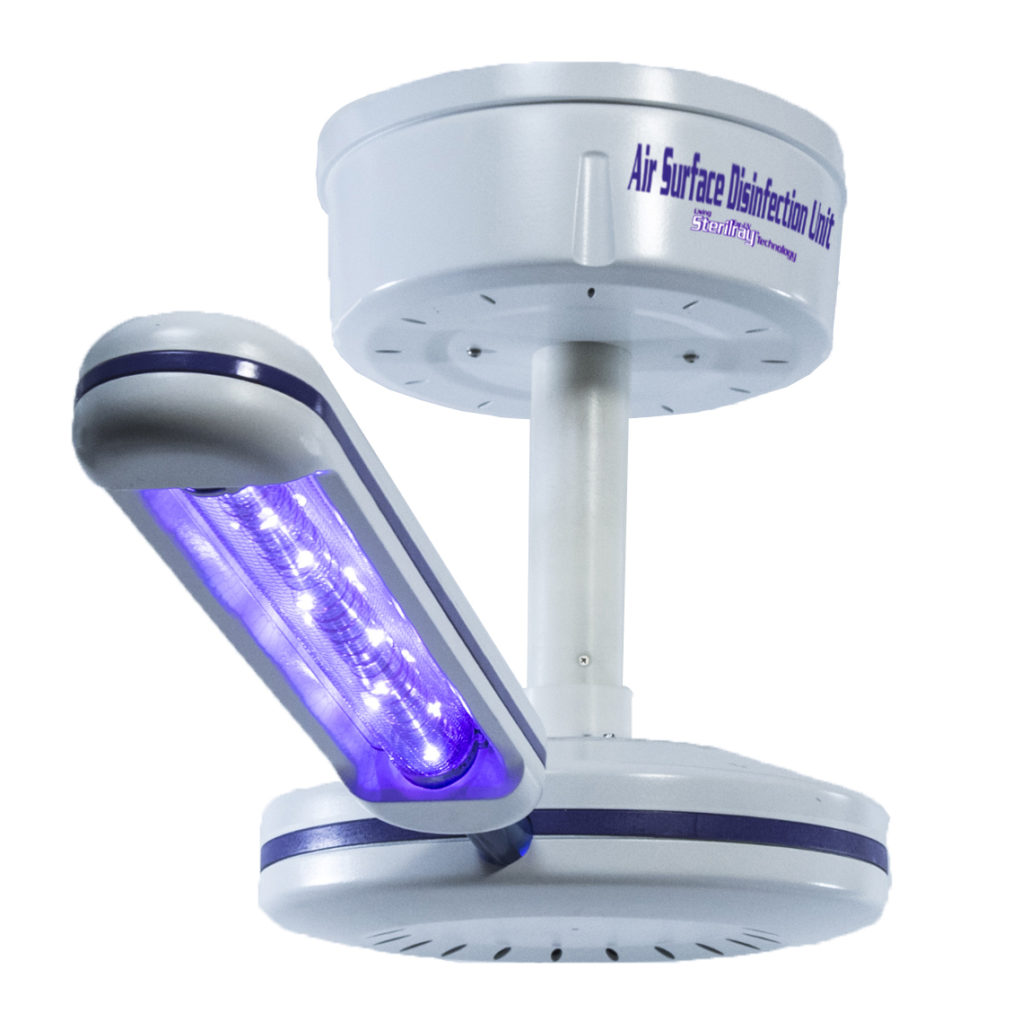

Moreover, organizations can apply UV disinfection innovation in various settings to boost health methods. Health centers and healthcare facilities can utilize UV disinfection robotics to disinfect person areas, operating theaters, and other high-touch areas. Food handling markets can incorporate UV disinfection systems into their manufacturing lines to boost food safety and security and prevent contamination.
Final Thought
In verdict, UV disinfection modern technology holds fantastic potential in protecting health and wellness and health. With its countless benefits, UV disinfection is a beneficial tool for keeping a healthy and clean environment.
Unlike other disinfection techniques, such as chlorine or ozone, UV sanitation does not introduce dangerous spin-offs or chemical deposits right into the setting. It is crucial to keep in mind that the effectiveness of UV disinfection depends on numerous elements, including the intensity of UV-C find out here now radiation, direct exposure time, range from the UV source, and the vulnerability of the bacterium to UV radiation.
Another benefit of UV sanitation modern technology is its ability to provide continuous and quick disinfection. Unlike guidebook cleaning methods, which can be time-consuming and call for considerable labor, UV disinfection systems can be automated and operate continually, making certain regular sanitation without human treatment.To efficiently carry out UV sanitation in everyday life, companies and people can incorporate mobile UV sanitizing tools into their hygiene regimens and cleansing practices.